Alcohol use disorder does not come in one shape. It ranges from periodic binges that derail work or parenting to severe, daily dependence with withdrawal symptoms, legal problems, and a shrinking world. The right level of care has less to do with a label and more to do with very practical questions. How dangerous will withdrawal be. What environment will actually support the first 90 days. Which services will you show up for consistently. Matching those realities to either inpatient or outpatient alcohol rehabilitation makes all the difference.
What inpatient and outpatient care really mean
Inpatient alcohol rehab, sometimes called residential, means living at a treatment facility for a set period. Typical stays run 28 to 30 days, though many programs now offer 45, 60, or 90 days when insurance or self-pay allows. The key features are 24 hour supervision, a structured daily schedule, on-site therapy and medical services, and a controlled environment where alcohol is not available.
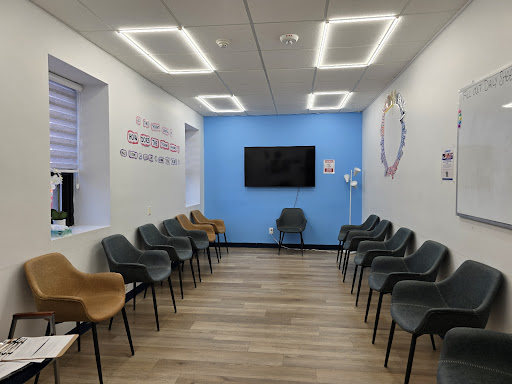
Outpatient alcohol rehabilitation ranges widely in intensity. At the lightest end, standard outpatient therapy might mean a weekly one hour session. More intensive models deliver real structure without an overnight stay. Intensive outpatient programs run about 9 to 15 therapy hours per week, usually split across three to five days. Partial hospitalization programs, also called day treatment, often run 20 to 30 hours per week, with a hospital or clinic site as the hub. People return home each night.
Both inpatient and outpatient care can include medical care, psychotherapy, medication for alcohol use disorder, family work, and case management. The differences are about setting, intensity, and control of environment.
The safety question that comes first: detox and withdrawal risk
Alcohol withdrawal is not guesswork. Anyone who drinks heavily most days is at risk for significant withdrawal, and some will develop seizures or delirium tremens. Red flags include a history of withdrawal seizures, tremors within hours of cutting back, severe anxiety, nausea, sweats, elevated heart rate, hallucinations, or uncontrolled blood pressure. The riskiest window begins around 24 hours after the last drink, peaks between 48 and 72 hours, and can stretch to a week in complicated cases.
Medically supervised detox can be done inpatient or outpatient, but the choice is driven by risk. People with prior severe withdrawal, unstable medical conditions, pregnancy, or no safe home environment should detox inpatient. That setting can deliver intravenous fluids, close monitoring, and rapid medication adjustments. Outpatient detox can work for lower risk cases with reliable support at home, daily check-ins, and a clear plan for immediate escalation if symptoms worsen. Detox itself typically lasts 3 to 7 days. The bigger task begins afterward.
A common mistake is to equate detox with treatment. Detox clears the body. Rehabilitation rewires the habits, thought patterns, and triggers that fuel relapse. If detox is all someone completes, relapse rates are very high. The transition from detox into ongoing inpatient or outpatient care should be planned before detox begins, not improvised on day four.
Clinical intensity and co‑occurring conditions
Severity of alcohol use disorder is one compass point. Another is the weight of co‑occurring problems. Depression, trauma, panic disorder, bipolar spectrum conditions, ADHD, chronic pain, and sleep disorders often walk alongside heavy drinking. The more layers you have to address, the more structure you will need at the start.
Inpatient care fits best when someone has multiple acute needs at once. A patient with daily heavy use, untreated major depression with recent suicidal thoughts, and uncontrolled hypertension does better with alcohol rehab near me 24 hour care, coordinated psychiatry, and medical management on site. For that patient, short breaks in structure can undo a fragile beginning.
Outpatient care can match inpatient outcomes in many moderate cases, provided the program delivers real intensity and assembles the right elements. An intensive outpatient track with evidence based therapy, medication support, and frequent visits can stabilize mood, reduce cravings, and build coping skills. The person still needs enough safety at home, consistent attendance, and quick access to higher care if symptoms spike.
Environment counts more than people think
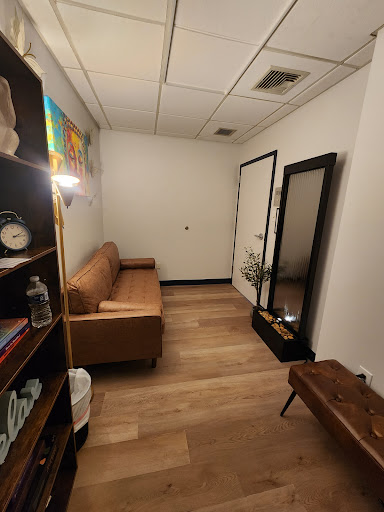
I have seen brilliant, motivated patients lose ground within 36 hours of leaving a hospital simply because the apartment they returned to held bottles in the cabinet and roommates who drink every night. Environment is not morality, it is physics. Triggers pile up. Decision making degrades when exhaustion sets in. Inpatient care creates a buffer in those first weeks. That buffer is not a cure, but it can buy time to think clearly, repair sleep, and build routines that were impossible while drinking.
Outpatient alcohol rehab works best when the home environment is at least neutral. If your partner drinks at dinner, talk about removing alcohol from the house for a period. If your friend group is built around the bar, plan evenings that do not put you in the old circuit. These are not optional add ons. They are core parts of treatment when sleeping at home is part of the plan.
Housing insecurity, intimate partner violence, and constant exposure to drinking are signals to consider inpatient care first. Not because outpatient is weak, but because the setting fights your goals.
What the outcomes research actually supports
People often search for a verdict, as if science has crowned a universal winner. That is not how alcohol rehabilitation works. Studies generally show that when you adjust for severity, support, and adherence, outpatient and inpatient can produce similar long term outcomes. The early months are different. Inpatient care tends to reduce drinking faster in the initial weeks for severe cases, mainly by removing access and delivering more hours of care. Over 6 to 12 months, what predicts success is not the building you slept in but whether you completed a full course of treatment, engaged in aftercare, used medications when appropriate, and had stable housing and support.
Some anchors worth knowing:
- Across substance use disorders, 40 to 60 percent of people will have at least one return to use within the first year. That figure varies by severity and support. It is not a reason to give up, it is a reason to plan. Program completion strongly predicts outcomes. People who complete a recommended course, whether inpatient or intensive outpatient, show fewer drinking days and better functioning at 6 and 12 months. Medications change the curve. Naltrexone, acamprosate, and disulfiram, used correctly, reduce cravings or the rewarding effects of alcohol. In studies, adding medication to psychotherapy improves abstinence rates and reduces heavy drinking days.
These points favor matching the level of care you can actually complete. A month inpatient followed by no aftercare is less effective than a solid 12 to 16 weeks of intensive outpatient with medication and ongoing support. The reverse is also true when home is chaotic or unsafe.
Two people, two right answers
A composite example from clinic: a 33 year old man drinking a fifth of vodka daily arrives with tremor, heart rate of 110, blood pressure at 160 over 100, and a story of a withdrawal seizure last year. He lives alone, works intermittently, and the closest friend drinks heavily. His first stop should be inpatient detox. From there, a residential rehab of at least 30 days gives him structure while depression is evaluated, blood pressure is controlled, and he starts naltrexone. Near discharge, we line up an intensive outpatient program and sober housing. His risks demand the runway.
Another case: a 45 year old woman drinking wine most nights, reporting 4 to 5 drinks, with two weekend binges a month. No withdrawal when she stops for a day or two, no seizures, stable marriage, teenagers at home, full time job, and a long history of anxiety that flares under stress. She could begin with intensive outpatient three evenings a week, medication evaluation, and couples sessions. Her spouse agrees to remove alcohol from the home for 90 days. She gives her manager a heads up about Tuesday and Thursday early departures for therapy. That plan preserves her roles while delivering enough structure to change the pattern.
Neither choice is a moral badge. The right choice is the one that fits your risk, your reality, and your capacity to engage.
What you actually do in good treatment
Labels like inpatient and outpatient can hide what matters most. Quality programs, regardless of setting, share features that move the needle.
Evidence based therapy is not a slogan. Cognitive behavioral therapy gives tools to identify high risk situations, dispute thought spirals, and script alternative behaviors. Motivational interviewing helps you surface and resolve ambivalence rather than pushing you into a corner. Contingency management uses incentives for objective milestones, like negative alcohol biomarkers, to keep momentum.
Medication should be discussed with every patient with moderate to severe alcohol use disorder. Oral or extended release naltrexone helps curb heavy drinking by blocking some of alcohol’s rewarding effects. Acamprosate supports abstinence by modulating glutamate systems that become dysregulated in long term use. Disulfiram creates an aversive reaction if you drink, best used when supervised and when strong external structure exists. Off label agents like gabapentin can support sleep and anxiety, but they are aids, not substitutes.
Family involvement is not about blame. It is about aligning the daily environment with treatment. That might mean one spouse attends a weekly family session to learn what helps and hurts, how to set boundaries, and how to support medication adherence. It can also mean inviting an adult child to stop policing and let the treatment team do its job.
Peer support matters. Some thrive in 12 step groups, others prefer secular options like SMART Recovery. The principle is repetition. Regular contact with peers who share the work of sobriety lowers isolation and normalizes the inevitable stumbles.
Cost, insurance, and practical math
Money and time shape decisions. Self pay residential programs commonly charge 15,000 to 60,000 dollars for a month depending on amenities and medical services. Hospital based programs can run higher. Intensive outpatient often costs 2,000 to 10,000 dollars per month before insurance. Partial hospitalization sits between those figures and residential on cost.
Insurance complicates the picture. Many plans will cover detox and a tiered level of ongoing care if medical necessity is documented. That documentation often hinges on withdrawal risk, failed prior attempts, medical or psychiatric instability, and lack of safe housing. It is worth asking programs to verify benefits before admission, but also ask what happens if coverage changes midstream. A good program has transition plans so a denial does not equal discharge to nothing.
Do not ignore the cost you pay if treatment fails to fit your life. If your job cannot flex for daytime groups, then a day program sets you up to miss sessions. If your kids need you at bedtime and weekends, pick an evening intensive outpatient track. If you are a nurse on rotating shifts, ask about programs with variable schedules or telehealth options for individual sessions. The best alcohol rehab is the one you will attend fully.
Who tends to do better where
Here is a quick, practical comparison to frame a decision. It is a guide, not a gate.
- Inpatient fits best when there is high withdrawal risk, co‑occurring medical or psychiatric instability, unsafe or alcohol‑saturated housing, multiple failed outpatient attempts, or court or employment mandates requiring a controlled setting. Intensive outpatient or partial hospitalization fits best when withdrawal risk is low to moderate, home is safe and supportive, work or family roles can flex, motivation is solid, and reliable transportation ensures attendance.
Questions to ask before you choose a program
- How will you manage detox and the first week safely, and what happens if symptoms escalate after hours. What is the typical weekly schedule, and how will it fit your work, parenting, or school. Which evidence based therapies are offered, and how often will you meet individually versus in groups. Will you evaluate and prescribe medications for alcohol use disorder, and who will manage those after discharge. How do you handle aftercare planning, including sober housing, alumni groups, and rapid return to care if you slip.
The middle path: step‑down and blended care
Rigid either or thinking can sabotage a good plan. Many people benefit from a brief inpatient phase followed by intensive outpatient. A typical arc for severe cases includes 3 to 7 days of inpatient detox, 30 days of residential rehab, then 8 to 12 weeks of intensive outpatient, then weekly therapy and peer support. Others start outpatient, build early success, then add a short residential stay during a stressful season or after a slip to reset routines.
Telehealth has widened options. While group therapy by video is not the right fit for everyone, it can keep you engaged if transportation or childcare is the barrier. Increasingly, quality programs use a hybrid model - in person for key sessions and medical visits, video for supplemental groups.
Work, privacy, and the realities of life
People delay care because they fear job loss or exposure. Most states and employers fall under laws that protect medical privacy. You do not have to disclose your diagnosis to your manager. A medical leave note can simply state that you are under care. The Family and Medical Leave Act in the United States can protect up to 12 weeks of unpaid leave for eligible employees. Short term disability sometimes applies to residential care. Human resources staff have seen these situations before. Ask them to walk you through options without giving details you do not wish to share.
If you run a small business or work gig jobs, inpatient time away might feel impossible. That is a real barrier. In those cases, design outpatient care with more support. Ask your program to front‑load evening sessions, arrange medication quickly, and connect you with peer support that meets at practical hours. Securing a sober companion for high risk events or restructuring your workday temporarily can bridge the gap.
Measuring progress and adjusting course
Alcohol rehabilitation is not linear. Expect periods of rapid improvement and weeks when progress feels stalled. Use objective markers. Breathalyzers and urine ethyl glucuronide tests are imperfect but helpful. So are patient reported outcomes like number of craving episodes per day, quality of sleep, mood ratings, and number of sober social interactions per week. Share data with your team. If heavy drinking days persist after 4 to 6 weeks of consistent care, consider adjusting the plan. That might mean adding or switching medication, increasing therapy hours, or moving from outpatient to a brief residential reset.
A return to use is not failure. Treat it like chest pain in a cardiac patient - a signal to escalate care, investigate the driver, and modify the regimen. The speed of response matters more than the event itself.
Special populations and edge cases
Older adults metabolize alcohol differently and may have more medical comorbidities. They often benefit from inpatient detox even when use seems modest, because interactions with blood pressure drugs, anticoagulants, and sleep medications raise risk. After detox, a slower outpatient pace with geriatric informed therapy helps.
Pregnancy changes the calculus. Inpatient detox is preferred for significant use or withdrawal risk, with obstetric input. After stabilization, outpatient care with frequent prenatal monitoring can work well.
People with trauma histories can find residential settings triggering if not trauma informed. Ask explicitly about staff training and therapeutic approaches. A program that pairs trauma therapy with careful pacing and clear boundaries is worth seeking.
Professionals in public safety or healthcare face licensure concerns. Many jurisdictions have confidential monitoring programs that allow treatment while protecting the license if you comply. Talk to a lawyer or a professional health program before self reporting.
A realistic path you can start today
Call your primary care clinician and be honest about your drinking and any withdrawal symptoms. Ask for a same week appointment to evaluate medical risk and discuss medication. In parallel, contact two programs - one residential, one intensive outpatient - and ask the five questions listed earlier. Loop in a family member or trusted friend to help remove alcohol from the home for at least 90 days and to handle logistics the first week. If your symptoms today include tremors at rest, racing heart, sweating, or confusion, go to urgent care or an emergency department rather than waiting for a scheduled visit.
No single setting wins for everyone. Inpatient care protects you when risk is high and life at home fights your goals. Outpatient care protects your roles and can, with the right elements, match long term outcomes. The best alcohol rehab plan is the one that meets your medical needs, fits your real life, and keeps you engaged long enough for the brain and the daily routines to change. That match is worth the time it takes to make it carefully.
Promont Wellness
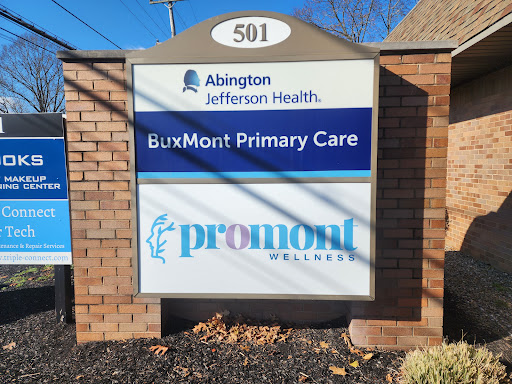
Address: 501 Street Rd, Suite 100, Southampton, PA 18966Phone: 215-392-4443
Website: https://promontwellness.com/
Hours:
Monday: Open 24 hours
Tuesday: Open 24 hours
Wednesday: Open 24 hours
Thursday: Open 24 hours
Friday: Open 24 hours
Saturday: Open 24 hours
Sunday: Open 24 hours
Open-location code (plus code): 5XG2+VV Southampton, Upper Southampton Township, PA
Map/listing URL: https://maps.app.goo.gl/Bp8NRhkmTf9gHJEc7
Socials:
https://www.facebook.com/PromontWellness/
https://www.instagram.com/promontwellness/
Promont Wellness provides outpatient mental health and addiction treatment in Southampton, serving individuals who need structured support while continuing with daily life responsibilities.
The center offers multiple levels of care, including partial hospitalization, intensive outpatient treatment, outpatient services, aftercare planning, and virtual treatment options for eligible clients.
Clients in Southampton and the surrounding Bucks County area can access support for mental health concerns, substance use disorders, and co-occurring conditions in one setting.
Promont Wellness emphasizes individualized treatment planning, trauma-informed care, and a client-focused approach designed to support long-term recovery and day-to-day stability.
The practice serves Southampton as well as nearby communities across Bucks County and other parts of southeastern Pennsylvania, making it a practical option for local and regional care access.
People looking for structured outpatient support can contact the center directly at 215-392-4443 or visit https://promontwellness.com/ to learn more about admissions and treatment options.
For residents comparing providers in the area, the business also maintains a public Google Business Profile link that can help with directions and listing visibility before a first visit.
Promont Wellness is positioned as a local option for people who want evidence-based behavioral health care in a professional office setting in Southampton.
Popular Questions About Promont Wellness
What does Promont Wellness do?
Promont Wellness is an outpatient behavioral health center in Southampton, Pennsylvania that provides mental health and substance use treatment, including support for co-occurring conditions.
What levels of care are available at Promont Wellness?
The center offers partial hospitalization (PHP), intensive outpatient programming (IOP), outpatient treatment, aftercare planning, and virtual treatment options.
Does Promont Wellness provide mental health treatment?
Yes. The practice publishes mental health treatment information for concerns such as anxiety, depression, bipolar disorder, schizophrenia, trauma, and PTSD.
Does Promont Wellness help with addiction treatment?
Yes. The website describes support for alcohol and drug addiction treatment along with recovery-focused outpatient services.
What therapies are mentioned on the website?
Promont Wellness lists therapy options such as cognitive behavioral therapy, dialectical behavior therapy, individual therapy, group therapy, family therapy, psychotherapy, relapse prevention, and TMS therapy.
Where is Promont Wellness located?
Promont Wellness is located at 501 Street Rd, Suite 100, Southampton, PA 18966.
What are the published business hours?
The contact page lists Monday through Friday from 8:00 AM to 9:00 PM, with Saturday and Sunday closed.
Who may find Promont Wellness useful?
People looking for outpatient mental health care, addiction treatment, dual-diagnosis support, or step-down programming after a higher level of care may find the center relevant.
Does Promont Wellness serve areas beyond Southampton?
Yes. The website includes service-area pages for Bucks County communities and nearby parts of Pennsylvania and New Jersey.
How can I contact Promont Wellness?
Phone: 215-392-4443
Facebook: https://www.facebook.com/PromontWellness/
Instagram: https://www.instagram.com/promontwellness/
Website: https://promontwellness.com/
Landmarks Near Southampton, PA
Tamanend Park – A well-known Upper Southampton park at 1255 Second Street Pike with trails, open space, and community amenities that many local residents recognize immediately.Second Street Pike – One of the main commercial corridors in Southampton and a practical reference point for local driving directions and nearby businesses.
Street Road – A major east-west route through the area and one of the clearest roadway references for visitors heading to appointments in Southampton.
Old School Meetinghouse – A historic Southampton landmark associated with the community’s early history and often used as a local point of reference.
Churchville Park – A large nearby park area often recognized by residents in the broader Southampton and Bucks County area.
Northampton Municipal Park – Another familiar recreational landmark in the surrounding area that can help orient visitors traveling from nearby neighborhoods.
Southampton Shopping Center – A recognizable retail area along the local commercial corridor that many residents use as a simple directional reference.
Hampton Square Shopping Center – A nearby shopping destination that can help users identify the broader Southampton business district.
Upper Southampton Township municipal and recreation areas – Useful local references for users searching for services in the township rather than by ZIP code alone.
Bucks County service area references – For patients traveling from neighboring communities, Southampton serves as a convenient treatment hub within the larger Bucks County region.
If you are searching for outpatient mental health or addiction treatment near these Southampton landmarks, call 215-392-4443 or visit https://promontwellness.com/ for current program information and directions.